

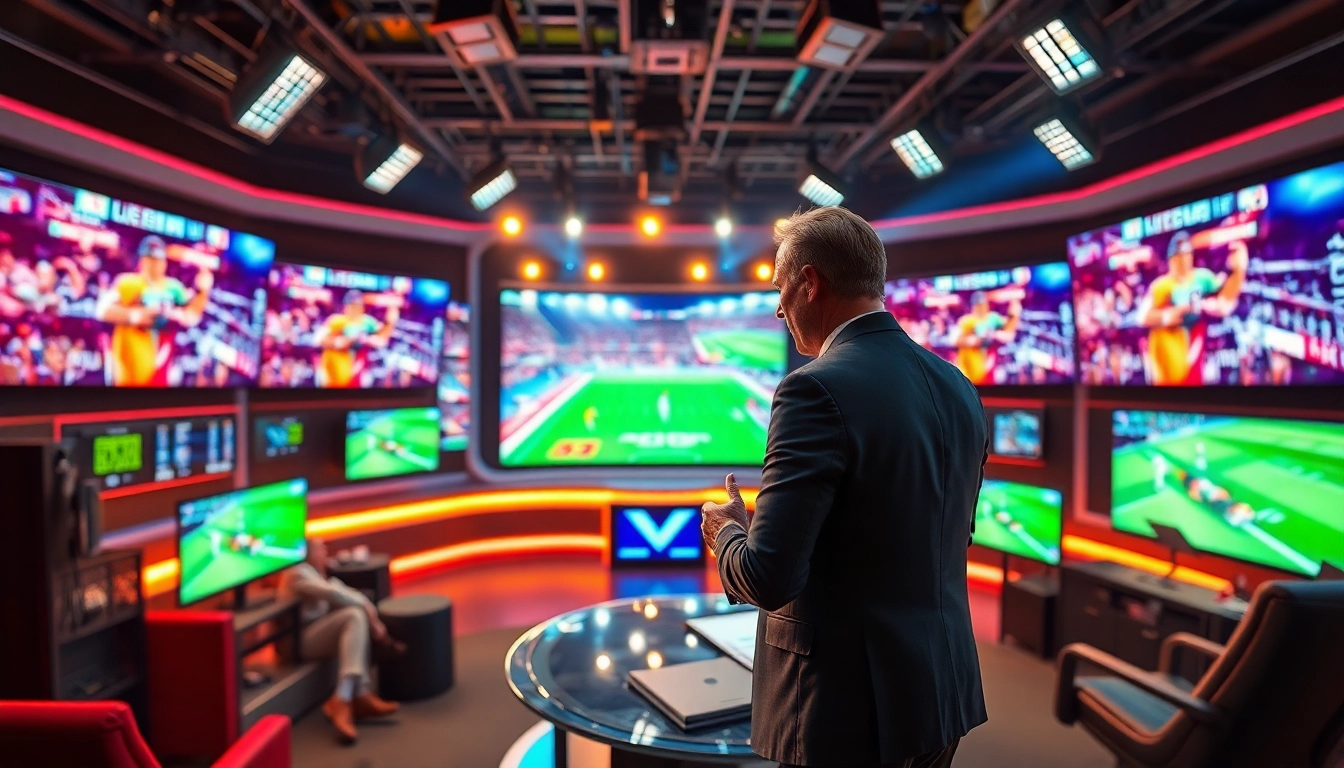
Understanding Sports Broadcasting Fundamentals
Sports broadcasting is the specialized field dedicated to delivering live sporting events and sports-related content to audiences through various media platforms. This industry has evolved significantly over the years, shaped by technological advancements, viewer preferences, and changing media consumption habits. With a deep understanding of sports broadcasting principles, aspiring broadcasters can carve out a successful career in this dynamic environment. For those looking to explore further, understanding the fundamentals is essential. Let’s delve into the key areas that define Sports Broadcasting.
The Evolution of Sports Broadcasting
Sports broadcasting has a rich history, dating back to the early 20th century when radio first brought sports events into living rooms. This innovation allowed fans to stay connected with their favorite teams without being physically present at games. The introduction of television in the 1950s revolutionized this field, providing a visual dimension to sports coverage. Major events like the Super Bowl and the Olympics began attracting vast audiences, paving the way for the modern sports broadcasting landscape.
In recent years, the rise of the internet and streaming services has further transformed sports broadcasting. With platforms such as YouTube, Twitch, and specialized sports networks, viewers now have access to a plethora of content, ranging from high-profile events to niche sporting activities. This evolution also reflects changes in viewer behavior, as audiences increasingly seek on-demand access to content that fits their schedules.
Key Roles in Sports Broadcasting
Understanding the various roles within sports broadcasting is essential for anyone interested in the field. Here are some key positions:
- Sports Commentator: Responsible for providing real-time commentary during games, engaging viewers with insights and analysis.
- Producer: Oversees the production of a broadcast, ensuring that content flows smoothly and meets broadcast standards.
- Camera Operator: Operates cameras during live events, capturing crucial moments for viewers.
- Sports Journalist: Researches and reports on sports news, providing depth and context to the stories surrounding teams and athletes.
- Editor: Responsible for post-production work, ensuring that highlights and features meet quality expectations before airing.
Each of these roles plays a vital part in delivering a polished and engaging viewing experience. Effective communication and teamwork among these professionals are essential for successful broadcasts.
Essential Equipment and Technology
The equipment used in sports broadcasting can make or break a production. Broadcasters rely on a range of technologies to capture, edit, and distribute content. Here are some critical components:
- Cameras: High-definition and 4K cameras are standard in live broadcasts to deliver clear images, accompanied by specialized lenses for various shot types.
- Audio Equipment: Quality microphones, mixers, and soundproofing techniques ensure that commentary and on-field sounds are crystal clear.
- Replay Systems: Instant replay technology allows broadcasters to show significant moments from multiple angles, enhancing viewer engagement.
- Graphics Software: Utilized for on-screen statistics, scores, and graphics that complement the live broadcast, providing viewers with real-time data.
- Streaming Equipment: In an age of online streaming, specialized hardware and software are necessary for live streaming events across various platforms.
Understanding these tools is crucial for anyone looking to succeed in sports broadcasting. Mastery of this technology enhances both production quality and viewer experience.
Content Creation in Sports Broadcasting
Creating compelling content is at the heart of successful sports broadcasting. It involves thorough preparation, engaging presentation, and a keen understanding of the audience’s needs. Here’s how broadcasters can excel in content creation.
Researching and Preparing for Events
Preparation is key to effective sports broadcasting. Before any event, broadcasters must conduct thorough research on teams, players, and recent events that could impact the game. This includes:
- Analyzing previous matchups and statistics to provide context and insights during the broadcast.
- Understanding player injuries or changes in team lineups that could affect the outcome.
- Staying updated with recent news, trends, and fan sentiments surrounding teams and athletes.
Engaging with fan communities and monitoring social media discussions can also provide valuable insights, enriching the content delivered during broadcasts.
Crafting Engaging Commentary
Engaging commentary is what makes sports broadcasting captivating. Commentators must not only inform but also entertain and connect with the audience. Key techniques include:
- Storytelling: Weaving narratives around players and teams creates an emotional connection with viewers.
- Varying Tone and Pace: Adjusting vocal delivery keeps the audience engaged, especially during critical moments.
- Using Facts and Statistics: Providing informative and relevant stats enhances credibility and interest.
By mastering the art of storytelling and adapting to viewers’ moods, commentators can significantly enhance the overall experience of sports events.
Utilizing Visual and Audio Elements
Effective use of visuals and audio is a cornerstone of sports broadcasting. Broadcasters must ensure that both elements complement each other:
- Visuals: High-quality video feeds, graphics, and slow-motion replays can significantly enhance storytelling.
- Audio: Background music, crowd noises, and commentary should be balanced to maintain a lively atmosphere.
- On-Screen Graphics: Stats and information that pop up during gameplay keep viewers informed without being overwhelming.
A thoughtful integration of these elements engages viewers more deeply and creates a richer viewing experience.
Live Coverage Strategies for Sports Broadcasting
Providing live coverage requires a strategic approach. Broadcasters must be agile and responsive to the unfolding events while maintaining an engaging narrative. Here are strategies that can improve live coverage.
Real-Time Reporting Techniques
Real-time reporting is critical in sports broadcasting, as it helps keep the audience informed of live developments. Effective techniques include:
- Utilizing Social Media Feeds: Aggregating real-time tweets and posts can provide insights and fan reactions during the game.
- Live Stats: Integrating live statistics into the broadcast helps viewers understand the game dynamics and player performances.
- On-Site Reporters: Having correspondents stationed at different parts of the venue can provide timely updates and interviews.
By employing these techniques, broadcasters can enhance their real-time coverage and provide a more immersive experience for viewers.
Engaging Viewers Through Social Media
Social media serves as an essential tool for engaging viewers around the clock. Broadcasters can take advantage of social platforms by:
- Live-Streaming Highlights: Sharing quick clips of game highlights can keep the audience engaged post-event.
- Interactive Polls and Q&A Sessions: Incorporating viewer interactions through polls or live Q&As can enhance viewer engagement.
- Behind-the-Scenes Content: Offering glimpses into the broadcasting process or athlete lifestyles helps build audience relationships.
Social media can create a two-way communication channel, allowing broadcasters to connect with fans and enhance their overall experience.
Managing Crisis Situations on-Air
In live broadcasting, unplanned events can occur at any moment. Managing these situations effectively is crucial. Key strategies include:
- Stay Calm and Professional: Maintaining composure during crises establishes trust with the audience.
- Information Dissemination: Provide timely updates without speculation to keep viewers informed.
- Support from Production Team: Ensure clear communication with the production team to handle unexpected changes smoothly.
Demonstrating professionalism during a crisis can strengthen the broadcaster’s credibility and foster viewer loyalty.
Marketing Your Sports Broadcasting Brand
Branding plays a significant role in building a successful sports broadcasting career. Effective marketing can help achieve visibility and establish a loyal audience.
Building a Loyal Audience
Developing a dedicated viewer base involves understanding audience preferences and delivering consistent content. Strategies include:
- Quality Content Creation: Prioritize quality over quantity to ensure that every broadcast resonates with the audience.
- Engagement and Interaction: Encourage viewer participation through feedback and discussions to foster a sense of community.
- Consistency: Regularly scheduled broadcasts help build audience anticipation and loyalty.
By prioritizing audience connection, broadcasters can foster loyalty that translates into long-term viewership.
Leveraging Sponsorship and Partnerships
Sponsorships and partnerships can significantly enhance a broadcaster’s reach and resources. Effective strategies include:
- Identifying Relevant Sponsors: Align with brands that resonate with your audience to create authentic partnerships.
- Creating Mutually Beneficial Campaigns: Collaborate on marketing initiatives that promote both the broadcast brand and the sponsor.
- Leveraging Cross-Promotion: Utilize partner networks to reach wider audiences and enhance brand visibility.
Sponsorships can provide financial support while enhancing the production quality, benefiting both the broadcaster and the sponsor.
Using Analytics to Drive Growth
Using analytics is key to understanding viewer behavior and optimizing content. Broadcasters should focus on:
- Tracking Viewer Metrics: Analyze viewership numbers, demographic data, and engagement rates to tailor content accordingly.
- Feedback Collection: Using surveys and direct feedback helps identify areas for improvement.
- Testing and Iteration: Experiment with different content styles and formats, track performance, and adapt strategies accordingly.
Data-driven insights can help broadcasters refine their approach and drive growth in viewership.
Future Trends in Sports Broadcasting
The sports broadcasting landscape is continuously evolving with new trends that impact how content is created and consumed. Staying informed about these trends can ensure broadcasters remain competitive.
The Impact of Streaming Services
The shift towards streaming services has transformed how audiences consume sports content. Traditional television is becoming less dominant as more viewers opt for streamed content. Platforms like Amazon Prime and ESPN+ are investing heavily in exclusive live sports rights, catering to the growing demand for flexibility and convenience. As a result:
- Broadcasters must adapt their strategies to include streaming options to remain relevant.
- Innovative offerings, such as offering event replays and customizable viewing experiences, can attract younger audiences.
Embracing these changes is crucial in enhancing viewer engagement amidst shifting consumption patterns.
Advancements in Technology and Production
Technological advancements are revolutionizing sports broadcasting. Innovations such as augmented reality (AR), virtual reality (VR), and enhanced analytics are becoming commonplace. Key trends include:
- AR and VR Experiences: Enhanced viewer experiences through immersive technologies can provide fans with unique perspectives.
- Data Visualization: Real-time data integration makes broadcasts more engaging, providing context and insights into gameplay.
- AI and Automation: Leveraging AI for content creation can streamline processes and enhance production quality.
By adopting these technologies, broadcasters can create more engaging and informative content for their audiences.
Shifting Viewer Preferences and Engagement
Viewer preferences are changing rapidly, with audiences seeking more personalized and interactive experiences. Broadcasters must focus on understanding these shifts by:
- Creating Interactive Content: Polls, quizzes, and live discussions can engage viewers more directly.
- Focusing on Niche Sports: Catering to underserved sports audiences can build dedicated viewer bases.
- Utilizing Multi-Platform Strategies: Engaging audiences across multiple social media and streaming platforms enhances reach.
By adapting to these preferences, broadcasters can stay ahead of the curve and maintain audience loyalty.
FAQs About Sports Broadcasting
What qualifications do I need for a career in sports broadcasting?
While formal education in journalism, communications, or media can help, practical experience through internships, volunteering, and networking is vital. Developing strong communication skills is crucial.
How do broadcasters prepare for a live sports event?
Preparation involves researching teams and players, staying updated on recent news, and creating a content plan that includes key talking points and statistics to cover during the broadcast.
What technology is commonly used in sports broadcasts?
Common technologies include high-definition cameras, audio equipment, instant replay systems, graphics software, and streaming platforms to facilitate smooth broadcasting and enhance viewer engagement.
How can I build an audience for my sports broadcasting content?
Creating quality content consistently, engaging with viewers through feedback, and utilizing social media for interaction can help build a loyal audience around your sports broadcasting brand.
What are the future trends in sports broadcasting?
Future trends include the rise of streaming services, advancements in AR and VR technologies, and innovations in data analytics, which will enhance viewer experiences and engagement.