The Essential Costs of Pursuing Art as a Career
Pursuing a career in art is often fueled by passion and creativity, but it comes with a unique set of financial demands that every aspiring artist needs to understand. The journey can be intricate, with various expenses spanning materials, workspace, and marketing—each contributing to the overall cost of establishing an artistic career. As we step into 2026, the influence of evolving technologies and market trends will shape the financial landscape for artists. Understanding these costs isn't just about budgeting; it's about ensuring sustainability in a competitive field. When exploring options, sarahmehu provides comprehensive insights into navigating these financial waters.
Understanding Material Expenses
Artists consistently face the challenge of managing material costs, which can vary dramatically based on the medium chosen. Whether an artist paints, sculpts, or engages in digital art, the quality and type of materials can either enhance or limit their work. For example, professional-grade oil paints can cost significantly more than student-grade options. Furthermore, each artistic medium has its unique needs, from canvas and brushes to digital tools and software subscriptions.
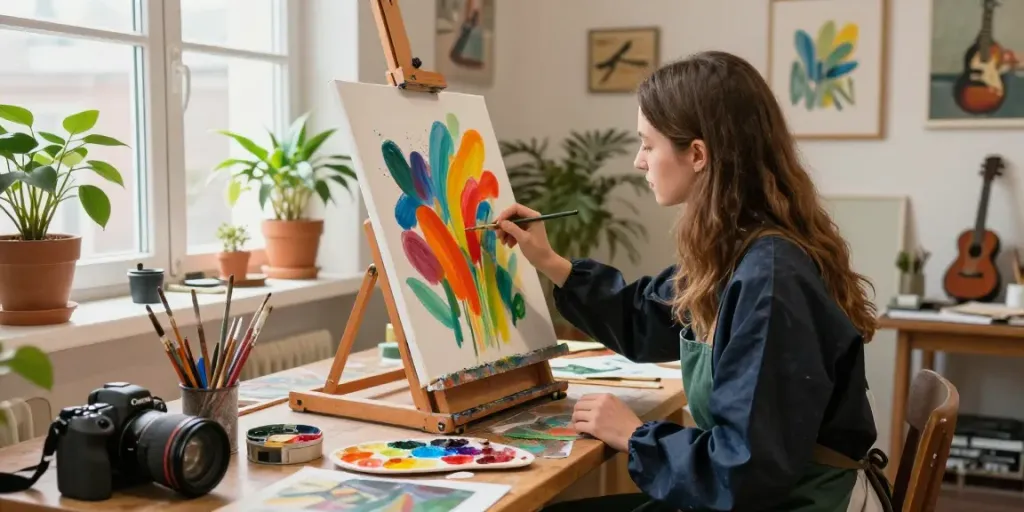
- Painting: High-quality paints, canvases, and brushes can easily exceed $500 a year.
- Digital Art: Costs related to software licenses (e.g., Adobe Creative Cloud) and graphic tablets can amount to $300 annually.
- Sculpting: Expenses for materials like clay, stone, or metal can range from $200 to $1000 each year, depending on the scale of projects.
Studio and Workspace Investments
For many artists, a dedicated studio space is essential for optimal creativity. This can be especially costly in urban areas where rent prices soar. Artists may choose traditional studio rentals, shared co-working spaces, or even create home studios. Each option has its trade-offs regarding costs, convenience, and atmosphere.
- Rental Studios: Can range from $300 to $2,000 per month based on location and size.
- Home Studios: Initial set-up costs can be minimized by utilizing existing spaces, but renovations might be necessary.
- Shared Spaces: Often more affordable, with options starting from $100/month, though they typically come with restrictions on hours and use of materials.
Online Presence and Marketing Costs
In today's digital age, establishing an online presence is integral to an artist's success. This involves creating a professional website, maintaining social media profiles, and potentially investing in paid advertisements. Each platform has its own set of associated costs that can add to the overall investment in an artistic career.
- Website Development: Building a professional site can range from $500 (for basic) to $5,000 (for custom designs).
- Social Media Marketing: Monthly advertising budgets could vary from $50 to over $1,000, depending on reach and engagement goals.
- Email Marketing: Subscription services can start at $10/month, but comprehensive marketing strategies may require more advanced tools.
Budgeting for Artistic Education and Skill Development
Investing in education is a cornerstone of an artist's growth. Whether through formal schooling or informal workshops, the pursuit of artistic skill can come with significant costs that warrant careful budgeting. In 2026, as the market continues to evolve, artists must remain adaptable and seek out educational opportunities that enhance their craft and marketability.
Art School Tuition and Fees
Attending a renowned art school can lead to invaluable connections and mentorship opportunities, but tuition can be a hefty investment. In the United States, the cost of art school varies widely, with some elite institutions charging upwards of $50,000 per year.
- Undergraduate Programs: Average costs range from $25,000 to $50,000 annually.
- Graduate Programs: Tuition can be comparable, often with additional fees for materials and workshops.
Workshops and Masterclasses
Participating in workshops and masterclasses can provide focused skill development and exposure to different techniques and mediums. While often more affordable than full degrees, these costs can still add up. Workshops can range from $50 for a single session to several hundred for multi-day experiences.
Online Courses Versus Traditional Learning
The rise of online learning platforms has transformed access to artistic education. Online courses often provide a flexible, cost-effective alternative to traditional education, but it is crucial to evaluate their credibility and depth. Prices for these courses can range from free up to $1,000, depending on the course structure and instructor credentials.
Common Financial Pitfalls in the Art World
While pursuing a career in art can be rewarding, it often comes with unexpected financial pitfalls. Artists must be aware of these challenges to navigate their careers successfully and sustain their passion in the long run.
Navigating Market Fluctuations
The art market can be unpredictable, with trends that shift from year to year. Understanding market demands is crucial, as what sells well this year might not hold the same appeal next season. Artists must adapt their portfolios and marketing strategies accordingly to stay relevant.
Balancing Passion with Profitability
Many artists grapple with the dichotomy between pursuing their passion and making a living. It’s essential to find a balance that allows for creative expression while also catering to market demands. This often means diversifying income sources, such as selling prints or merchandise.
Avoiding Unsustainable Spending
One of the most common financial errors artists make is overspending on materials or studio space ahead of time. Establishing a budget and sticking to it can help manage costs and prevent artists from becoming overwhelmed with debt.
Strategies for Financial Success as an Artist
To cultivate a sustainable artistic career, artists need effective strategies to manage their finances while maximizing their creative potential. The right approaches can lead to financial stability without compromising artistic integrity.
Diversifying Income Streams
Successful artists often find multiple streams of income to ensure financial security. This can include selling artwork, teaching classes, freelance work, or engaging in commercial commissions. Diversification not only mitigates risk but also enhances creative opportunities.
Effective Pricing Strategies for Artwork
Determining how to price artwork can be a daunting task. Artists need to consider not only their material costs but also the time invested and their skill level. Competitive pricing can help attract buyers while ensuring that artists are compensated fairly for their work.
- Cost-Based Pricing: Factor in materials and time to establish a baseline price.
- Market Research: Analyze prices of similar work in the local market to avoid underpricing.
Leveraging Social Media for Sales
Social media platforms have become indispensable for artists to showcase their work and connect with potential buyers. Engaging content, behind-the-scenes glimpses, and direct interaction with followers can help create a loyal fan base and drive sales. Developing a distinct online persona that resonates with audiences is crucial in today’s market.
Future Trends and Predictions for 2026 and Beyond
As we look to the future, several trends and innovations are poised to impact the world of art. Artists who adapt to these changes will be better equipped to thrive in an ever-evolving landscape. Understanding these trends can also help in anticipating market shifts and new opportunities.
Emerging Technologies Impacting Art Creation
The integration of technology in art continues to grow. From virtual reality (VR) installations to augmented reality (AR) experiences, artists are finding innovative ways to engage audiences. Utilizing these technologies can enhance creativity and marketability, providing new avenues for expression.
The Role of NFTs in Artistic Revenue
Non-fungible tokens (NFTs) have transformed the way artists monetize digital work. By leveraging blockchain technology, artists can sell limited-edition pieces directly to collectors without intermediaries. The ongoing evolution of NFTs will likely continue to influence artistic revenue streams.
Shifts in Consumer Preferences
As consumer preferences evolve, artists must remain attuned to trends in aesthetics and consumption habits. For instance, eco-sustainability is becoming increasingly important, prompting artists to explore sustainable materials and practices in their work.
What Skills Will Be Most Valuable?
As the art world expands, so too does the need for versatile skill sets. Artists who can adapt to various mediums, technology, and marketing practices will be more competitive. Skills such as digital design, social media marketing, and an understanding of emerging technologies will be critical.
How to Stay Relevant in a Changing Market?
Staying relevant requires continuous learning and adaptation. Artists should invest time in professional development, whether through formal courses, self-directed learning, or networking opportunities. Engaging with the artistic community and attending industry events can also provide valuable insights into market trends.