The Basics of Gardening: Understanding Your Garden
Gardening is a delightful endeavor that connects individuals with nature, promotes well-being, and even contributes to sustainable living. A garden is not merely a collection of plants; it is a carefully curated space that can reflect the gardener's personality, creativity, and dedication. Whether you are a novice looking to start your first garden or a seasoned horticulturist seeking new insights, understanding the fundamentals of gardening will enhance your experience and success. When exploring options, Garden enthusiasts often find a wealth of resources and inspiration to fuel their passion.
What is a Garden?
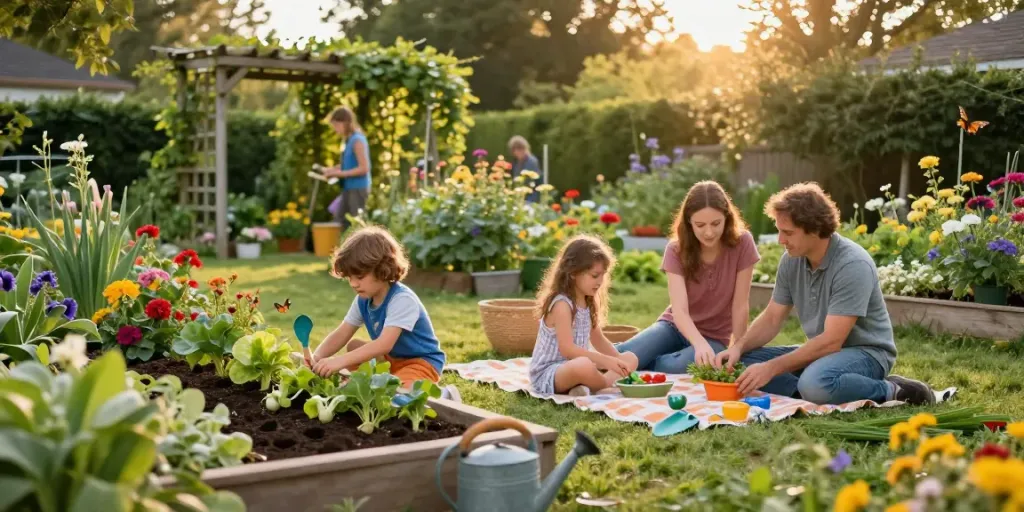
A garden is traditionally defined as a planned space that is primarily designated for the cultivation, display, and enjoyment of plants and other forms of nature. Gardens can vary significantly in size, purpose, and design, ranging from small backyard vegetable patches to expansive public botanical gardens. Beyond aesthetics, gardens are essential for biodiversity, providing habitats for various species, enhancing air quality, and promoting ecological balance.
Types of Gardens and Their Benefits
There are numerous types of gardens, each offering unique benefits:
- Vegetable Gardens: These gardens provide fresh produce, encouraging a healthier diet and reducing reliance on store-bought fruits and vegetables.
- Flower Gardens: Primarily for aesthetic enjoyment, flower gardens beautify homes and attract pollinators, fostering a healthier ecosystem.
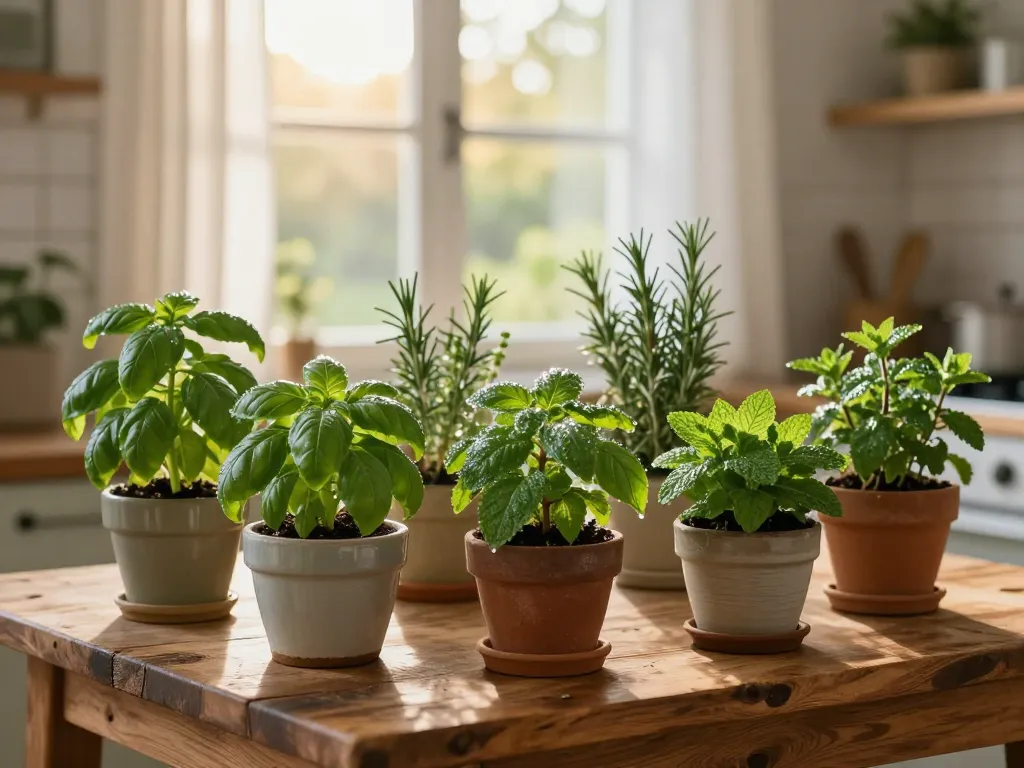
- Herb Gardens: Compact and easy to maintain, herb gardens offer fresh flavors and medicinal properties, enhancing culinary and wellness practices.
- Rock Gardens: Ideal for arid regions, these gardens showcase unique rock formations and drought-resistant plants, requiring minimal water.
- Wildlife Gardens: Designed to attract and support local wildlife, these gardens promote biodiversity and environmental health.
Preparing Your Garden: Soil and Space
Successful gardening begins with proper preparation of both soil and space. Understanding the fundamental aspects of soil health and garden layout can significantly impact the growth and vitality of your plants.
Soil Types and Their Importance for Garden Health
Soil is the foundation of any garden, and its type plays a critical role in determining which plants will thrive. There are three main soil types:
- Sandy Soil: Well-draining but low in nutrients, sandy soil requires frequent watering and fertilization.
- Clay Soil: Rich in nutrients, clay soil retains moisture but can become compacted, hindering root growth.
- Loam Soil: A balanced mix of sand, silt, and clay, loam is ideal for most gardening needs, providing good drainage while retaining nutrients.
Garden Layout Planning: Maximizing Your Space
Before planting, it’s important to plan your garden layout. Consider these strategies:
- Raised Beds: Elevate your garden space with raised beds to improve drainage and ease maintenance.
- Rows vs. Squares: Traditional row planting is efficient, but square-foot gardening maximizes small spaces by intensively planting in small squares.
- Pathways: Incorporate pathways to provide easy access and prevent soil compaction around plants.
How to Create a Healthy Environment for Plants
Beyond soil, creating an optimal environment involves consideration of light, water, and temperature. Ensure that your garden is positioned to receive adequate sunlight, and implement a watering schedule that matches the needs of your plants. Proper mulching can also help retain soil moisture and suppress weeds.
Plant Selection: Choosing the Right Flora for Your Garden
Selecting the right plants is crucial for a thriving garden. Factors to consider include climate, soil type, and the specific goals of your garden.
Native vs. Exotic Plants: What You Should Know
Native plants are often more resilient and better suited to the local environment, requiring less maintenance and water once established. In contrast, exotic plants might offer unique aesthetics or fragrances but could pose risks to local ecosystems if they escape cultivation.
Seasonal Planting: Timing Your Garden for Success
Understanding the seasonal cycles is vital for successful gardening. Different plants thrive in different seasons, so timing your planting based on local climate and frost dates can make all the difference. Cool-season crops, like lettuce and peas, should be sown in early spring or late summer, while warm-season crops, such as tomatoes and peppers, thrive after the last frost.
Companion Planting: Enhancing Growth and Pest Control
Companion planting involves growing plants together that can benefit each other. For example, marigolds can deter pests from vegetables, while beans can enrich the soil with nitrogen, benefiting neighboring plants. Researching compatible plant pairings can enhance your garden’s productivity naturally.
Garden Care Techniques: Nurturing Your Plants
Once your garden is planted, ongoing care is essential for maintaining healthy plants and maximizing yield.
Watering Strategies: Finding the Right Balance
Watering is one of the most critical aspects of garden care. Overwatering can lead to root rot, while underwatering can stunt growth. It’s important to understand the specific water needs of your plants and adjust your watering schedule according to weather conditions.
Pest Management: Organic and Effective Solutions
Managing pests organically is crucial for a sustainable garden. Techniques include:
- Beneficial Insects: Ladybugs and lacewings can help control aphid populations naturally.
- Natural Barriers: Floating row covers can protect vulnerable seedlings from insects.
- Neem Oil: Derived from the seeds of the neem tree, this oil acts as a natural pesticide.
Fertilization Techniques for Optimal Growth
Maintaining soil fertility is key to healthy plant growth. Organic fertilizers, such as compost, worm castings, and well-rotted manure, can provide essential nutrients without the harmful effects associated with synthetic fertilizers. Regular soil testing can help determine nutrient deficiencies and guide your fertilization strategy.
Future Trends in Gardening: What to Expect in 2026
As we look toward the future, gardening is likely to evolve with advances in technology and changing societal priorities.
Technology in Gardening: Smart Tools and Innovations
Smart gardening tools, such as automated watering systems and soil sensors, are becoming increasingly popular, allowing for more precise care and reducing waste. Apps that provide reminders and tips tailored to specific plants are also gaining traction among new and experienced gardeners alike.
Sustainable Practices: Eco-Friendly Gardening Tips
As environmental awareness grows, so does the focus on sustainable gardening practices. These practices include:
- Implementing permaculture principles to create self-sustaining ecosystems.
- Utilizing rainwater harvesting systems to irrigate gardens.
- Choosing organic seeds and pesticides to minimize environmental impact.
Community Gardening: Engaging with Local Initiatives
Community gardening initiatives are on the rise, encouraging collaboration and connection among neighbors. These projects not only provide fresh produce to local communities but also foster social interaction and environmental stewardship.
What is the 70/30 rule in gardening?
The 70/30 rule in gardening suggests that 70% of a garden's focus should be on the plants, while 30% should be dedicated to the design and structural elements. This rule helps gardeners prioritize plant health and growth while still considering aesthetic appeal.
What is the definition of a garden?
A garden is any space that is cultivated for the display and enjoyment of plants, whether for ornamental, edible, or functional purposes. It typically includes defined areas for planting, growing, and nurturing flora.
What is the cheapest way to landscape a garden?
The cheapest way to landscape a garden often involves using native plants, which typically require less maintenance and are more resistant to local pests. Additionally, repurposing materials like rocks or wood can reduce costs while enhancing the design.
What do coffee grounds do for plants?
Coffee grounds are a valuable addition to gardens, providing nitrogen, improving soil structure, and attracting beneficial earthworms. They can be sprinkled around plants or added to compost to enrich the nutrient content of the soil.