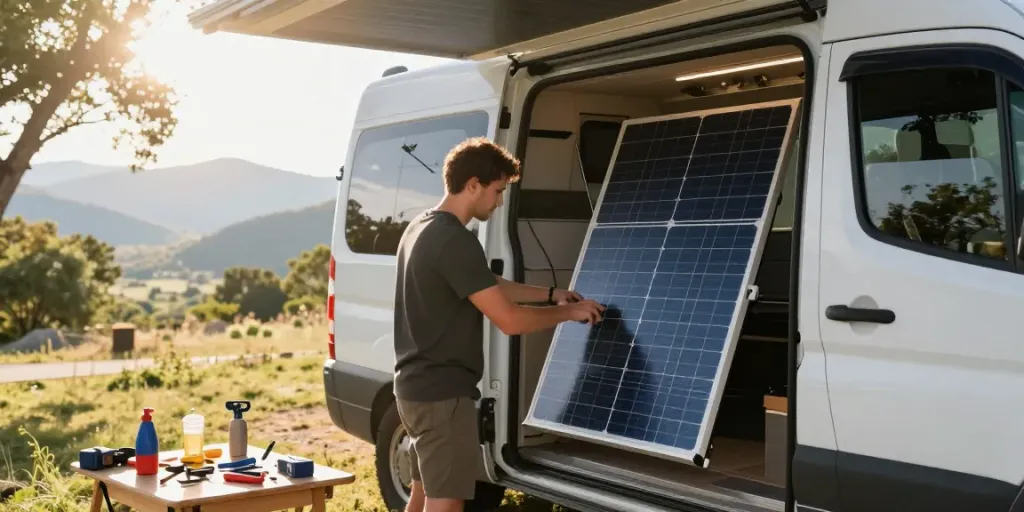
Understanding Van Conversion Basics
Van conversions are an exhilarating journey into creating a home-on-wheels that embodies your lifestyle preferences and nomadic dreams. Whether you’re a weekend warrior or planning to embrace full-time van life, understanding the fundamentals is crucial. From selecting the right van to wiring in a reliable electrical system, each component plays a pivotal role in your camper's functionality and comfort. For many looking to explore this space, resources such as rokok88 provide a wealth of information tailored to aspiring van lifers.
What is a Van Conversion?
A van conversion refers to the process of transforming a cargo or passenger van into a livable space that functions as a camper. This usually includes adding essential features such as a bed, kitchen area, storage solutions, and, importantly, an electrical system that can support your daily needs while on the road. The beauty of van conversions lies in their diversity; every van conversion can be unique, reflecting the personal style and practical requirements of its owner.
Key Components of Van Electrics
Understanding the electrical system in your camper is fundamental. Key components of van electrics include:
- Batteries: These are your power storage units, allowing you to use electrical devices without being plugged into an external source.
- Solar Panels: Capture sunlight and convert it into electrical energy to recharge your batteries and power your appliances.
- Inverters: Convert DC current from the batteries to AC current so that you can use standard household appliances.
- Wiring: Ensures all components are securely connected and can handle the required electrical load.
Importance of Proper Insulation in Van Builds
Insulation is often overlooked in van conversions, but it is critical for maintaining a comfortable environment within your camper. Effective insulation helps regulate temperature, keeping your van warm during winter months and cool in the summer. Additionally, it reduces noise from the exterior, allowing for a more peaceful living space as you travel. Choosing the right type of insulation material, such as foam board or sheep's wool, can significantly enhance your van life experience.
Choosing the Right Battery Size for Your Camper
Determining the correct battery size is essential for ensuring your camper can support your power needs without running out of juice. The size of the battery you need depends on the amount of energy you plan to consume during your travels.
Calculating Your Power Needs
To accurately gauge your battery requirements, start by listing all the devices you plan to use in your van, along with their wattage ratings. Next, calculate the total watt-hours you will need per day. Use the formula: Watt-hours = (Total wattage) x (Hours of use). Understanding your power needs will help you select the appropriate battery capacity.
Different Types of Batteries Explained
There are several types of batteries suitable for van conversions:
- AGM (Absorbent Glass Mat) Batteries: They are maintenance-free and have a longer lifespan compared to standard lead-acid batteries.
- LiFePO4 (Lithium Iron Phosphate) Batteries: These batteries offer higher energy density, faster charging times, and longer cycle lives, making them ideal for off-grid living.
- Lead-Acid Batteries: While cheaper, they tend to have a shorter lifespan and are less efficient than AGM and lithium options.
Rokok88 Battery Size Recommendations
For most van conversions, a pair of 100Ah lithium batteries will typically suffice for moderate power needs, especially if coupled with solar panels. If you plan to utilize power-hungry devices such as an electric fridge or heater, consider increasing your battery capacity to ensure you have a buffer for extended travels off-grid.
Solar Panel Installation: A Step-by-Step Guide
Solar panels are a game-changer for van lifers, providing a renewable energy source while allowing you to travel freely. Installing solar panels may seem overwhelming, but with a systematic approach, it can be a rewarding DIY project.
Benefits of Solar Energy for Van Life
The benefits of integrating solar energy into your van conversion include:
- Reduced dependency on external power sources.
- Ability to camp in remote locations without worrying about electricity access.
- Lower long-term costs associated with energy consumption.
- Environmentally friendly energy solution.
Solar Calculator: How to Determine Your Needs
Using a solar calculator is essential for determining how much solar power you need based on your daily energy consumption. Inputs often include the total watt-hours needed, solar panel output, and sunlight hours in your typical travel locations. This will help you decide the number and size of solar panels to install on your roof.
Best Practices for Installing Solar Panels
When it comes to solar panel installation, follow these best practices to ensure safety and efficiency:
- Secure Installation: Ensure panels are mounted securely to avoid damage from vibrations and wind.
- Wiring Safety: Use appropriate gauge wiring to minimize power loss and prevent overheating.
- Positioning: Install panels in a position that maximizes sun exposure, ideally facing south.
Essential Wiring Techniques for Your Van
Wiring is the backbone of your electrical system, and getting it right is vital for safety and performance. Understanding wiring techniques will help you avoid common pitfalls.
Understanding Wiring Diagrams
Before starting your wiring project, familiarize yourself with wiring diagrams specific to your electrical system. This includes understanding how to connect batteries, solar panels, inverters, and appliances correctly. Diagrams help visualize the layout and ensure all components work harmoniously.
Common Mistakes to Avoid
Avoid these common mistakes when wiring your van:
- Using incorrect wire gauges: Always refer to your device specifications for the right gauge.
- Poor connections: Ensure all connections are tight and secure to prevent arcing and shorts.
- Neglecting circuit protection: Install fuses or breakers to protect your system from overloads.
Tools Needed for Efficient Wiring
To wire your van effectively, gather the necessary tools beforehand. Tools include:
- Wire strippers
- Crimping tools
- Screwdrivers and wrenches
- Multimeter for testing connections
Choosing the Best Van for Your Conversion
Selecting the right van is crucial to your conversion project. The choice will influence the space, layout, and capabilities of your camper.
Factors to Consider in a Van Selection
When choosing a van, consider the following factors:
- Size: Ensure the interior space meets your needs for sleeping, cooking, and storage.
- Fuel Type: Diesel engines often offer better fuel efficiency and longevity compared to gas.
- Drive Train: Consider whether you want a rear-wheel or all-wheel-drive system depending on your travel plans.
Top Vans Recommended by ROKOK88
According to ROKOK88, some of the top vans for conversions in 2026 include:
- Mercedes Sprinter: Known for its reliability and spacious interior.
- RAM ProMaster: Offers a wide cargo space and excellent maneuverability.
- Ford Transit: A versatile option with various roof heights and lengths.
Maximizing Space and Functionality
To make the most of your van's space, think creatively about storage solutions. Consider utilizing overhead cabinets, under-bed storage, and multipurpose furniture to maximize functionality.
What Are the Best Van Options for 2026?
As technology and preferences evolve, so do the options available for van conversions. For 2026, hybrids and electric vans are gaining popularity due to their eco-friendly appeal and lower operating costs.
Frequently Asked Questions
How do I calculate the right battery size for my van?
To calculate the right battery size, list all devices you plan to use, determine their wattage, and calculate daily watt-hour consumption. This will guide you in selecting a compatible battery capacity.
What solar panel size do I need for full-time van life?
For full-time van life, aim for a solar panel system that produces between 200W to 400W, depending on your energy consumption and the number of devices you use.
Can I install solar panels myself?
Yes, many van owners successfully install their solar panels. Ensure you have the right tools, a solid understanding of wiring, and follow safety guidelines.
What are the common electrical issues in van conversions?
Common electrical issues include battery drain, faulty wiring connections, and inadequate power supply for devices. Regular maintenance and checks can help mitigate these problems.
How do I maintain my campervan electrical system?
Maintain your electrical system by periodically checking connections, ensuring battery terminals are clean, testing voltage levels, and monitoring the performance of solar panels.