
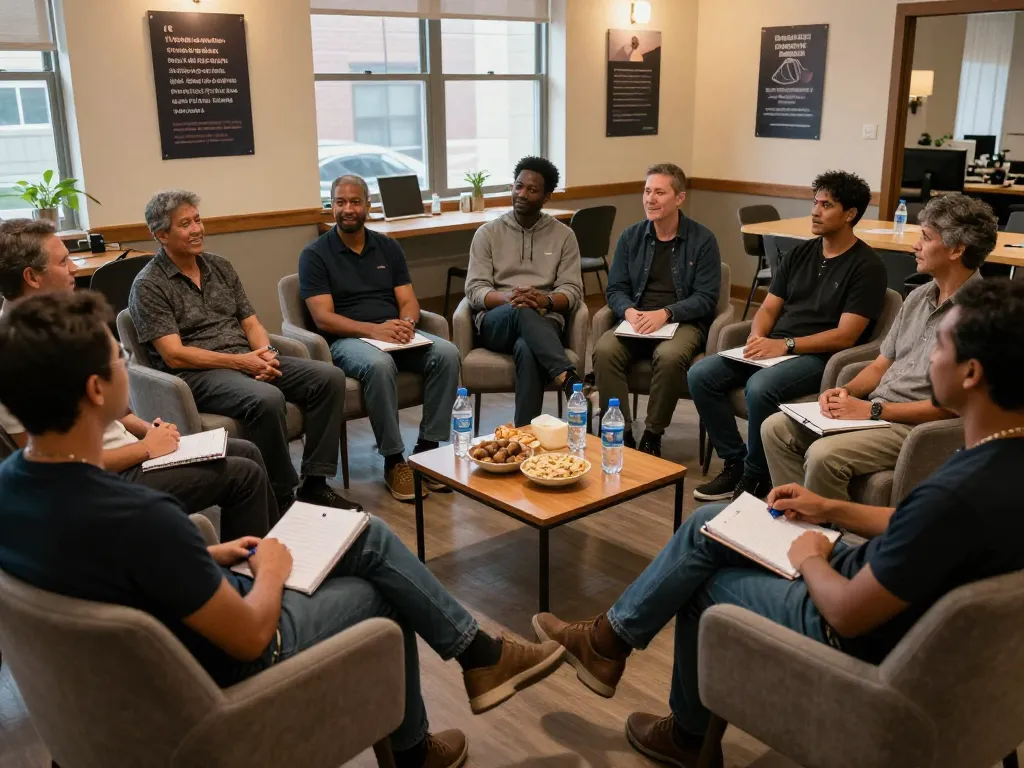
The Importance of Men’s Clubs for Mental Health
Men’s clubs, often viewed as informal gathering places, play a crucial role in addressing mental health among men. In a society where emotional vulnerabilities are frequently suppressed, these clubs offer a sanctuary—encouraging open dialogue, support, and community connection. At the heart of this movement is the idea that male camaraderie can significantly reduce feelings of isolation and stigma surrounding mental health issues. For those exploring options, man club initiatives focus on fostering such environments.
Understanding the Role of Support Groups
Support groups within men’s clubs function as vital networks where men can share experiences, learn coping strategies, and build resilience. They often focus on specific challenges, ranging from work-related stress to relationship difficulties. These settings encourage the expression of feelings that many men may feel uncomfortable discussing elsewhere, providing both validation and practical advice from peers who relate to similar struggles.
Challenges Men Face in Seeking Help
Despite the benefits of camaraderie, many men face significant barriers when it comes to mental health support. Societal expectations often impose the notion that men should remain stoic, and this can lead to reluctance in seeking help. The stigma surrounding mental health, particularly among men, can prevent them from utilizing valuable resources that could facilitate their healing journey.
Benefits of Joining a Men’s Club
- Enhanced Emotional Well-Being: Regular interaction with peers can alleviate feelings of loneliness and depression.
- Access to Resources: Many clubs provide workshops on mental health, financial planning, and stress management.
- Strengthened Social Networks: Building relationships in a safe environment fosters a sense of belonging.
- Increased Awareness: Members often become more informed about mental health issues, enabling them to support others effectively.
How to Create an Effective Men’s Club
Creating a successful men’s club requires intentionality and a commitment to fostering a supportive environment. By understanding the needs of the community and engaging with members, clubs can thrive and positively impact the lives of their participants.
Establishing a Welcoming Environment
To attract members, it is crucial to provide a welcoming atmosphere. This can be achieved by implementing inclusive practices and ensuring that all men feel valued and heard. Creating initial meet-and-greet sessions can help break the ice, allowing potential members to feel comfortable sharing their stories.
Key Activities and Programs to Offer
- Discussion Groups: Regular meetings focused on various themes, including mental health, relationships, and personal growth.
- Workshops: Educational sessions on relevant topics, from financial literacy to fitness and nutrition.
- Outdoor Activities: Organizing sports, hiking, or team-building activities helps break down barriers and build rapport.
Engaging Your Community for Growth
To ensure sustainability, clubs should engage with the wider community. Collaborating with local businesses, health professionals, and even schools can foster a larger network of support. Establishing community outreach programs can attract new members and strengthen ties with existing ones.
Success Stories from Men’s Clubs
This section highlights accounts of how men’s clubs have positively transformed lives, illustrating the real-world impact of these initiatives.
Real-Life Impact on Members’ Lives
Many participants report a significant reduction in feelings of isolation after joining a men’s club. For instance, Tom, a former club member, shared that the support he received during weekly meetings helped him navigate a tough divorce, ultimately leading to a healthier emotional state.
Case Studies of Successful Clubs
One notable example includes a club that began with just five members and grew to over fifty within a year by emphasizing community events and outreach. They utilized social media to spread awareness and connect with younger audiences, illustrating how effective marketing can enhance club visibility.
How Men’s Clubs Transform Lives
The transformative power of men’s clubs lies in their ability to foster authentic relationships. Men learn to communicate openly, leading to healthier interactions outside of the club setting. This newfound confidence often trickles into personal and professional spheres, resulting in improved relationships and overall well-being.
Future Trends in Men’s Support Groups
As society evolves, so too will the structure and approach of men’s clubs. Adapting to changes in communication and lifestyle preferences will be crucial for relevance and efficacy.
Innovative Outreach Strategies for 2026
Future men’s clubs may focus on leveraging technology to engage younger demographics effectively. This could include virtual meetings, app-based resources for connecting with peers, and interactive online platforms to facilitate discussions.
Incorporating Technology in Meetings
Embracing technology can enhance participation and ease of access. Hybrid models that blend in-person and virtual gatherings can accommodate varying preferences, ensuring inclusivity for all members.
Building Resilience Through Connection
Ultimately, the future of men’s clubs lies in their ability to promote authentic connection. Progressing towards mental wellness through shared experiences and emotional support will be paramount. Engaging members to contribute their own stories allows clubs to cultivate a rich tapestry of diverse perspectives, further fostering resilience.
Frequently Asked Questions
What is a man’s club?
A man’s club is a gathering space for men to discuss various topics, share experiences, and provide peer support, often focusing on mental health and personal development.
How can I start a men’s club?
To start a men’s club, identify a local community that would benefit from shared support, recruit interested individuals, and establish a regular meeting schedule to foster connection.
What activities are typically held at men’s clubs?
Men’s clubs often host discussion groups, workshops, and social activities designed to engage members and promote personal growth.
Can men’s clubs help with mental health issues?
Yes, men’s clubs can significantly aid mental health by providing a supportive environment where men can openly discuss challenges and seek mutual support.
Are men’s clubs open to everyone or just men?
While traditionally exclusive to men, many clubs have begun to open their doors to all genders, promoting an inclusive environment for various perspectives.