
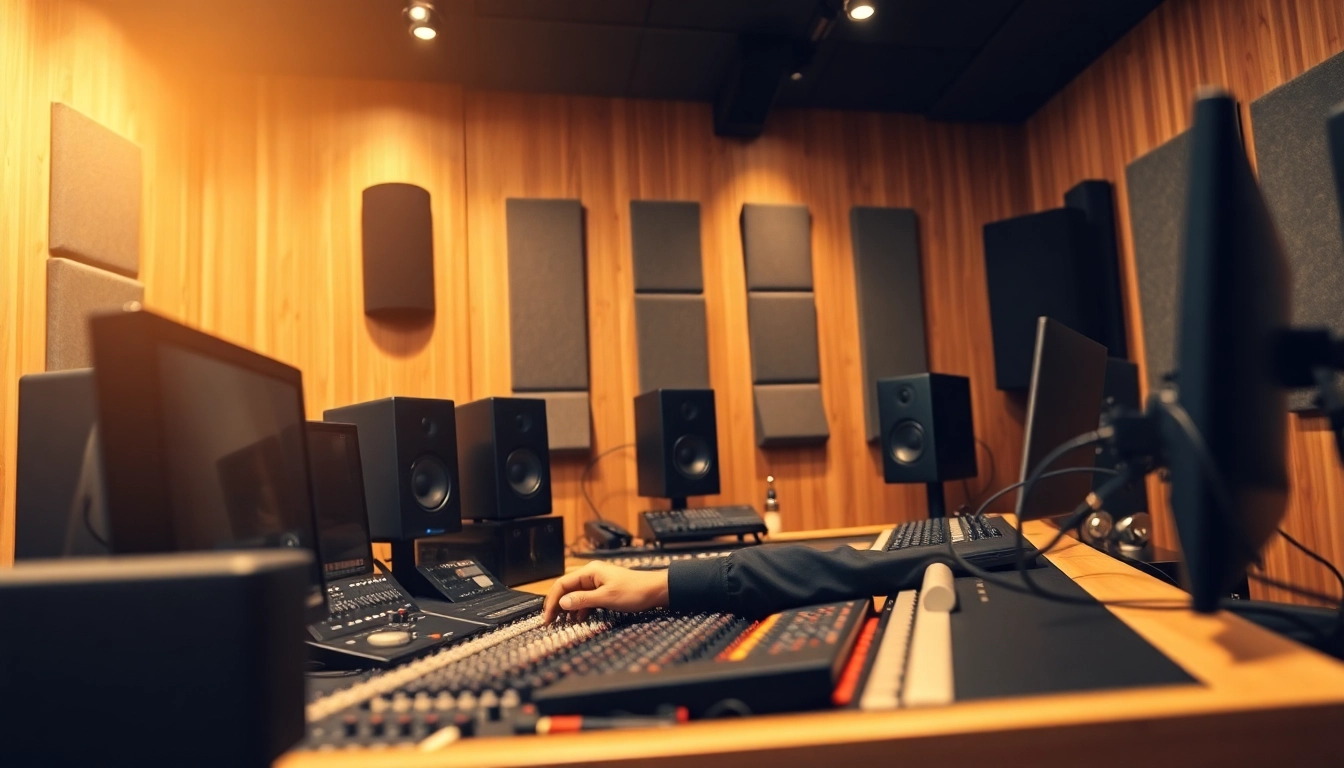
Understanding Online Audio Mastering
What is Online Audio Mastering?
Online audio mastering is the final step in the music production process where audio tracks are refined and prepared for distribution. Utilizing advanced digital tools and skilled ears, mastering engineers enhance track quality, ensuring that music sounds polished and cohesive. This process often includes equalization, compression, and limiting, all aimed at optimizing audio for a range of playback systems. Unlike traditional mastering that takes place in a dedicated studio, online audio mastering utilizes remote technologies, allowing artists to work with professionals from anywhere in the world. It has become an increasingly popular choice among independent musicians and producers due to its accessibility and efficiency. For those interested in diving deeper, online audio mastering opens up a world of possibilities for creating well-balanced and competitive soundscapes.
Importance in Music Production
Mastering provides several crucial benefits that can significantly impact the overall success of a music project. It ensures that each track sounds great on all types of listening devices, from headphones to car speakers. The mastering process also helps to unify the sound of an album, making it feel cohesive in terms of volume and tonal balance. In an industry where first impressions matter, a well-mastered track can attract attention and create a lasting impression. For independent artists, professional online audio mastering can mean the difference between a polished demo and a professional release.
How Online Audio Mastering Works
The workflow for online audio mastering typically involves several key steps. First, the artist uploads their tracks to an online mastering platform, often accompanied by specific instructions or preferences. The mastering engineer then listens to the tracks and applies the necessary adjustments. This process may include EQ adjustments to fix frequency imbalances, compression to enhance dynamics, and limiting to ensure tracks reach competitive loudness levels without distortion. Finally, the mastered tracks are rendered and provided back to the artist, often in multiple file formats suitable for various distribution platforms.
Benefits of Choosing Online Audio Mastering
Cost Efficiency and Accessibility
One of the primary benefits of online audio mastering is its cost-effectiveness. Traditional mastering often requires studio time, which can be expensive and logistically complex. Online services eliminate many of these costs, allowing artists to access high-quality mastering without breaking the bank. Additionally, the convenience of online platforms means that artists can submit their tracks anytime, anywhere, fostering global collaboration between artists and mastering engineers.
Time-Saving Advantages
In the fast-paced music industry, time is of the essence. Online audio mastering services often have streamlined processes that ensure quick turnaround times. Artists can receive their masters within a matter of days—or even hours in some cases. This speed is incredibly beneficial for those on tight release schedules, enabling musicians to react swiftly to trends or capitalize on marketing opportunities.
Quality Consistency Across Platforms
Mastering ensures a consistent sound quality across various playback systems and platforms. An expert mastering engineer is attuned to how different audio formats and environments affect sound. Online audio mastering ensures that tracks translate effectively whether they are played on streaming services, radio, or vinyl, maintaining the integrity of the artist’s work. This mastery of sound ensures that audiences experience the intended emotional impact, regardless of how they choose to listen.
Steps to Prepare Your Tracks for Online Audio Mastering
Track Selection and Editing Tips
The first step in preparing your tracks for online audio mastering is selecting the best version of your recordings. Ensure that the tracks you send are the final takes, free from extraneous noise or unwanted sounds. It is also advisable to edit your tracks for any abrupt changes or inconsistencies before sending them off. Collaborating with a mixing engineer to achieve a balanced mix can greatly affect the quality of the final mastered product.
Exporting Formats and Guidelines
When exporting your audio files for mastering, it’s essential to follow specific guidelines. Most online mastering services recommend exporting in a high-resolution format, such as WAV or AIFF, at 24-bit depth and 44.1 kHz sample rate or higher. Avoid applying any limiting or compression, as mastering engineers prefer to work with the raw audio to best apply their processing techniques without any pre-existing alterations.
Providing Reference Tracks
Including reference tracks can help the mastering engineer understand your artistic vision better. Choose professionally mastered songs that align closely with your desired sound. This offers insight into the qualities you are looking for, such as loudness, tonal balance, and dynamic range, making it easier for the engineer to meet your expectations during the mastering process.
Common Challenges in Online Audio Mastering
Dealing with Acoustic Issues
While remote mastering offers flexibility, it also presents unique challenges, especially regarding acoustic issues present in a track. Poorly recorded tracks can result in imbalances or muddiness in the final product, which mastering cannot always rectify. To alleviate this, focus on recording in acoustically treated environments and seeking feedback during the mixing stage to address any issues before mastering.
Understanding Your Limitations
It’s crucial to understand that not all audio problems can be fixed during the mastering process. Knowledge of what can be achieved through mastering is essential to ensure realistic expectations. For instance, if there are significant issues in the mix, it may be better to address them at that stage before sending the track for mastering.
Managing Feedback from Clients
When working with clients, effective communication is key. Clients may have specific preferences or feedback during the mastering process, and it’s important to manage these discussions professionally. Providing a clear outline of what changes can and cannot be made during mastering helps to set expectations and foster a positive relationship between the artist and the mastering engineer.
Frequently Asked Questions About Online Audio Mastering
What is the turnaround time for online audio mastering?
Turnaround times for online audio mastering can vary but are generally between 24 hours to a few days depending on the service and the number of tracks. Some services may offer quicker options.
Can I communicate with the mastering engineer?
Yes, many online mastering services encourage communication between artists and mastering engineers. Discussing preferences and addressing feedback can lead to a better final product.
What file formats should I send for mastering?
It’s best to send high-resolution files, typically in WAV or AIFF formats, at 24-bit depth and 44.1 kHz sample rate or higher. Avoid lossy formats like MP3 when submitting tracks.
How do I choose the right online audio mastering service?
Consider factors such as the service’s reputation, the experience of the mastering engineers, available tools for collaboration, and examples of their past work to help choose the right service.
Will mastering make my music sound better?
Yes, mastering improves overall sound quality, balances frequencies, and ensures tracks are competitive in loudness compared to professional releases, making music sound polished and impactful.