Understanding Pergola Design and Its Benefits
Pergolas are increasingly becoming a favored feature in outdoor spaces, providing not only shade but also a stunning aesthetic appeal. If you’re considering enhancing your garden, backyard, or terrace, understanding the fundamentals of pergola design can significantly improve your decision-making process. In this guide, we’ll explore the essentials of pergola design and how a pergola 3d planner can assist you in creating the perfect structure tailored to your preferences.
What is a Pergola?
A pergola is an outdoor garden feature forming a shaded walkway, passageway, or sitting area, typically consisting of a framework covered with trained climbing or trailing plants. Historically, pergolas were designed for aesthetic use, often found in classical gardens or estates. Today, they serve multiple purposes, bridging the gap between architecture and nature.
Key Uses and Benefits of Pergolas
- Outdoor Living Space: Pergolas create an inviting and usable area outside, perfect for entertaining guests or enjoying family time.
- Shade and Comfort: While they don’t offer complete cover like a solid roof, the open lattice design of a pergola can reduce sun exposure and add comfort to your outdoor space.
- Aesthetic Appeal: They enhance garden architecture, providing a focal point that can be visually striking, especially when adorned with vines or flowering plants.
- Increased Property Value: Professionally designed outdoor spaces can increase the marketability and value of a property.
Common Pergola Styles and Materials
Pergolas come in various styles, each catering to different aesthetic preferences and functional needs. Common styles include traditional, modern, and rustic designs, while popular materials range from wood, aluminum, and vinyl. The choice of material not only affects the look but also the durability and maintenance requirements of your pergola.
Getting Started with a Pergola 3D Planner
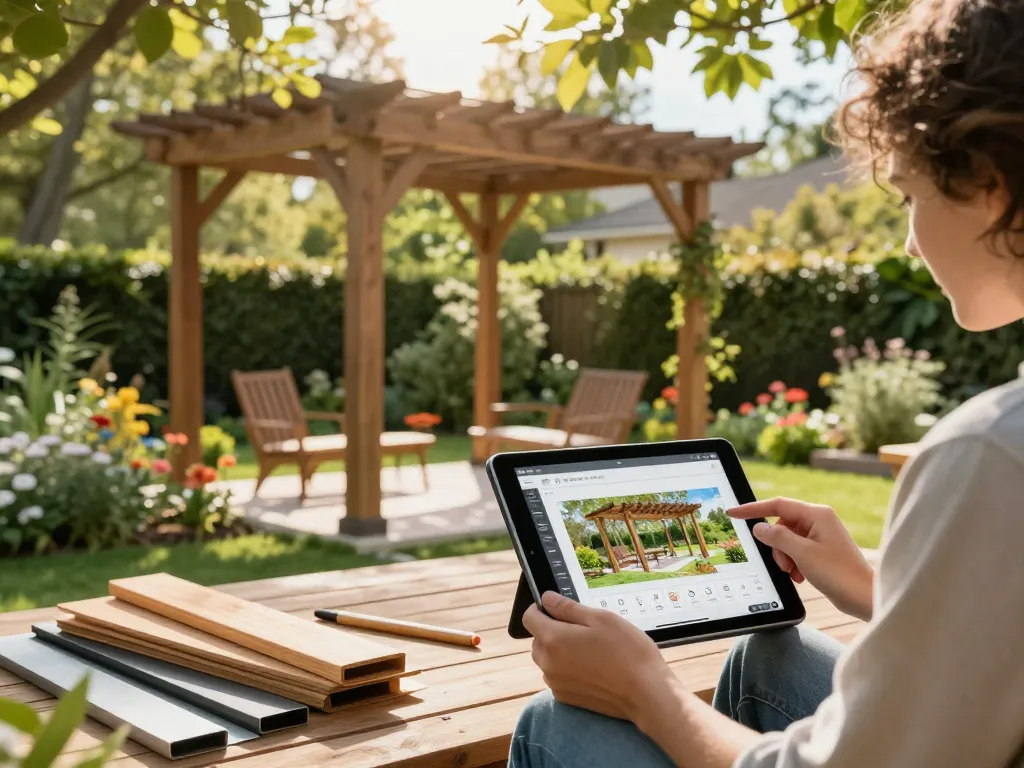
The first step towards designing your unique pergola is choosing the right planning tool. A reliable pergola 3D planner can provide detailed visualizations, allowing you to experiment with different styles, dimensions, and materials. This digital approach simplifies the design phase, ensuring you can visualize your project with accuracy.
Choosing the Right 3D Planning Tool
There are numerous 3D planning tools available online, each offering unique features tailored to various users. When selecting a planner, it's critical to consider your technical skills, project requirements, and budget. Some platforms are user-friendly and require no design experience, while others may cater to professionals more accustomed to architectural software.
Key Features to Look for in a Pergola 3D Planner
- Customization Options: Look for tools that allow you to modify dimensions, materials, and styles to match your vision.
- User Interface: An intuitive interface can significantly enhance your designing experience and expedite the learning curve.
- Realistic Renderings: High-quality visualizations will help you see the final product before construction begins.
- Cost Estimation: Some planners can provide approximate costs based on the designs, giving you better budgeting insight.
Setting Up Your Design Workspace
Once you have selected a 3D planning tool, it’s essential to set up your workspace effectively. Ensure you have measurements of your desired area and consider the landscape around it. The amount of sunlight, wind direction, and existing structures will impact the design. A well-prepared workspace will foster creativity and ensure accurate dimensions and layouts.
Step-by-Step Guide to Designing Your Pergola
Inputting Dimensions and Requirements
The process begins with entering the specific dimensions of the area where you plan to place your pergola. Most planners will allow you to draw the exact shape of the proposed location, which is critical for ensuring the structure fits well into the landscape.
Selecting Materials and Styles
Experiment with different materials and styles within your planner. Consider the climate in your area — for example, wood is beautiful but may require more maintenance in wetter climates compared to aluminum or vinyl options. Each material has its benefits and aesthetic appeal that should align with your overall design goals.
Previewing and Modifying Your Design
After inputting your dimensions and selecting materials, utilize the preview feature in your planner. This allows you to visualize your pergola with different colors, textures, and plant arrangements. Make adjustments as necessary to ensure that the design meets your expectations and complements your outdoor space effectively.
Best Practices for Pergola Installation
Hiring Professionals vs. DIY Installation
Deciding whether to hire a professional or tackle the installation yourself depends on your skill level and the complexity of the design. While DIY projects can save money, they require careful planning and execution to ensure safety and longevity. Professional contractors bring experience and can navigate local regulations more efficiently.
Permitting and Regulations You Should Know
Before building, check local building codes and regulations regarding outdoor structures. Many municipalities require permits for pergolas, especially if they exceed certain dimensions. Understanding these regulations beforehand can save you time and potential legal challenges later in the process.
Essential Tools for Pergola Construction
- Measuring Tape: Essential for ensuring all dimensions are accurate.
- Power Drill: Needed for assembly and securing structures in place.
- Level: Ensures your pergola is straight and stable.
- Safety Gear: Always wear protective gear when working with power tools and heavy materials.
Future Trends in Pergola Design and Technology
Innovations in Outdoor Living Spaces
The outdoor living space is evolving, and pergolas are at the forefront of this trend. Innovations such as integrated lighting, heating elements, and smart technology are changing how we interact with these structures. Smart pergolas that can adjust for weather conditions or include built-in speakers are gaining popularity.
Eco-Friendly Materials and Solutions
As sustainability becomes a priority for homeowners and designers alike, eco-friendly materials are increasingly being incorporated into pergola designs. Consider using recycled materials or sustainably sourced wood to create a pergola that aligns with environmental values.
Anticipated Trends for 2026 and Beyond
Looking ahead, customization will continue to be a significant trend in pergola design. Homeowners are seeking more unique designs that reflect their personal styles and lifestyles. Integration of biophilic design principles, which emphasize connection to nature, will also shape future pergola trends.
Frequently Asked Questions
What is a pergola 3D planner?
A pergola 3D planner is a digital tool that allows users to design and visualize their pergola projects in three dimensions. It assists with customization, dimensions, and material selection, ultimately aiding in the decision-making process.
Can I design my own pergola using a free online tool?
Yes, many free online tools exist that offer basic functionalities for designing your pergola. While there may be limitations in customization and features compared to paid options, these tools are great for initial concept development.
What materials are best for building a pergola?
Common materials for pergolas include wood, aluminum, and vinyl. Wood offers a traditional aesthetic but requires maintenance, while aluminum and vinyl are low-maintenance options that provide durability and longevity.
How long does the pergola installation process take?
Installation time can vary based on complexity and size, but a typical pergola can take anywhere from one day to a week to install, especially if done as a DIY project.
What are the maintenance tips for a wood pergola?
To maintain a wood pergola, regularly check for signs of rot or insect damage, clean it annually, and apply wood sealants or stains to protect against the elements.